


News

Publication
 

Eco-Social Policy Integration as a Process: Towards a Processual Understanding of an Ascending Concept.

How can social and environmental policies be integrated in practice? In her recently published paper, Jana Brandl proposes a process-oriented framework that deepens our understanding of eco-social policy integration.

Publication
 

The Challenge of Interdisciplinarity at the Intersection of Groundwater Management and Visualization Research

This design study presents an analysis and abstraction of temporal and spatial data and workflows in the domain of hydrogeology and the design and development of an interactive visualization prototype.

Publication
 

New Paper: Minor influence of climbing hall characteristics on rubber-derived compound contamination highlights a need for material-level solutions

This new study by Anya Sherman, Laura Lotteraner and colleagues confirms previous results that abrasion from climbing shoe soles leads to elevated levels of rubber-derived compounds (RDCs) in indoor climbing halls.

Publication
 

Engaging Young Minds: Learnings from Data Visualization Workshops with Children and Teenagers

As the role of visual data representations is increasing, the importance of teaching data visualization literacy to lay audiences has grown. This paper reports on the design and implementation of five educational workshops for children and teenagers,...

Publication
 

Sorption of Persistent and Mobile Contaminants to Activated Carbon

Persistent, mobile, and potentially toxic organic contaminants (PMs and PMTs) pose a growing threat to drinking water safety as they bypass natural and engineered barriers like soil and riverbanks. Their diverse chemical structures and complex...

Publication
 

Publication in Water Research Highlights the Importance of Data Handling in Pollution Research

Understanding the link between socioeconomic drivers and surface water pollution is crucial for protecting aquatic ecosystems and drinking water. Yet, many environmental datasets pose challenges which complicate statistical analysis.


About the Research Platform

The pivotal characteristic of the Research Platform “The Challenge of Urban Futures” is its epistemological breadth, in that it aims at scrutinising ecologies of relations that connect multiple thematic areas. The Platform aims at unravelling the social, cultural, economic and politico-institutional mechanisms underlying the convergences and divergences across European cities to track the transformation of urban structures over the last four decades.

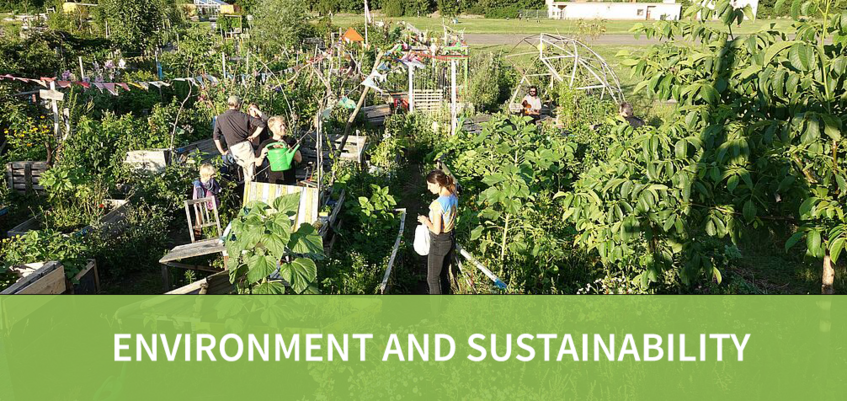
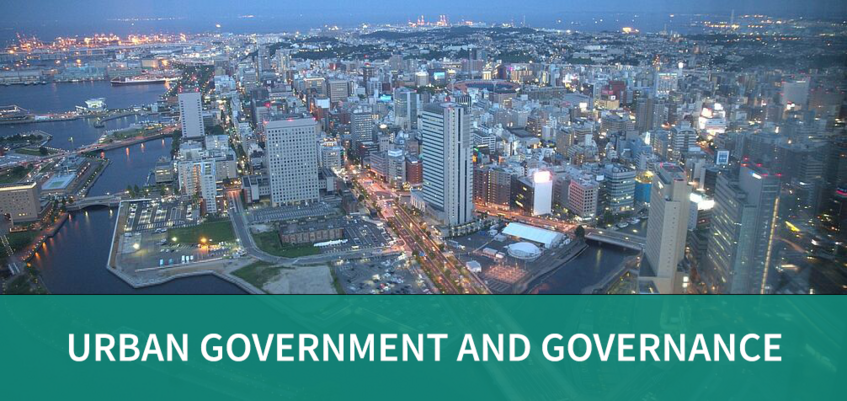
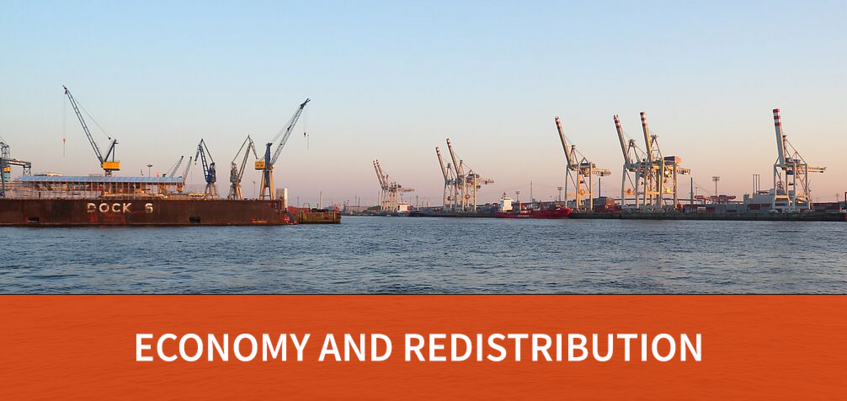
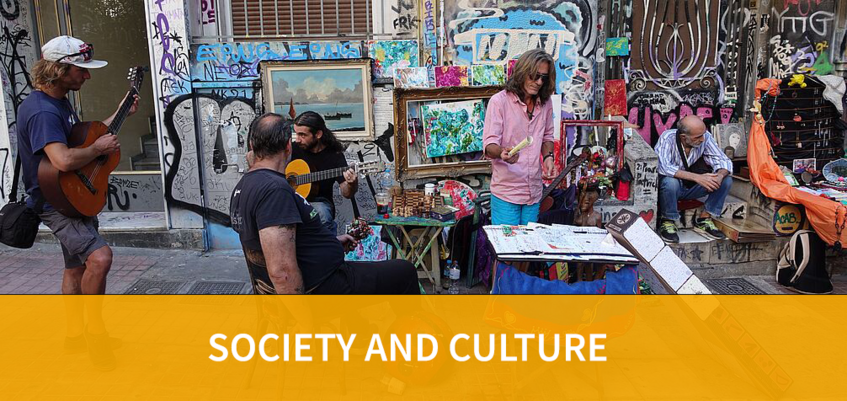
Given the wide gamut of issues cities are facing, we focus our research endeavours on five thematic areas: Society and Culture, Economy and Redistribution, Environment and Sustainability, Technology and Surveillance, and Urban Government and Governance. More in detail, our research activities will sit at the intersection of these multiple thematic areas. To achieve this ambitious task, our Research Platform will bring together researchers both within and outside the University of Vienna sharing complementary expertise on the multifarious facets of urban studies.
Five Areas of Research